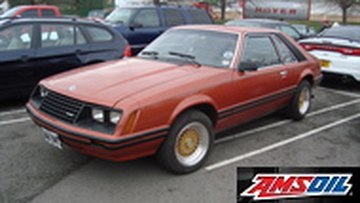
Lubrication Maintenance for the 1982 Ford MUSTANG 2.3L
Maintaining a vehicle from the early 1980s requires a proactive approach to fluid management and mechanical inspection. For the 1982 Ford Mustang equipped with the 2.3L engine, consistent attention to lubrication is a fundamental aspect of long-term ownership. While modern vehicles often feature advanced electronic monitoring, older systems rely heavily on manual inspections and adherence to established service patterns to ensure everything remains in good working order.
Monitoring Fluid Integrity and Condition
Regularly checking the condition of engine oil is one of the most effective ways to monitor the internal health of a vehicle. Rather than simply looking at the level, an owner should observe the physical characteristics of the lubricant. If the oil appears excessively dark or contains visible particulate matter, it may indicate that the fluid has undergone significant thermal stress or that contaminants are present.
When performing these checks, look for several specific indicators:
- Consistency: The oil should have a uniform texture. Any unusual thickness or graininess can be a sign of degradation.
- Color Changes: While oil naturally darkens with use, extreme discoloration can warrant further investigation into the engine's operating environment.
- Odor: Strong or unusual smells coming from the oil may indicate that it has been exposed to extreme heat or other chemical influences.
It is important to remember that these symptoms can have multiple causes. A change in oil appearance does not automatically point to a single mechanical failure, but it serves as a vital signal that the lubrication system requires closer attention.
Observing Potential Warning Signs
Identifying issues early can prevent more extensive mechanical complications. For a 1982 Mustang, owners should remain vigilant regarding any changes in how the vehicle operates or appears during or after use. If you notice new sounds or changes in performance, these should be investigated promptly.
Visible signs of trouble often manifest as fluid seepage around the engine block or near various seals and gaskets. While a small amount of residue can sometimes be expected on an older engine, active leaks that result in dripping or significant puddling under the vehicle should not be ignored. Furthermore, if you notice any unusual exhaust smoke, this may indicate that oil is entering the combustion process, which warrants a professional inspection to determine the source.
If a warning light appears on the dashboard related to lubrication, this requires immediate investigation. Such indicators are designed to alert the driver to conditions that could potentially compromise engine safety. Always treat unexpected dashboard indicators as high-priority items.
Prioritizing Long-Term Maintenance Decisions
As vehicles age, the strategy for maintenance often shifts from purely preventive measures to a more condition-based approach. For an owner of a 1982 Ford Mustang, this means using the current state of the vehicle to dictate where resources and attention are best spent.
If you are stepping into ownership of this vehicle without a complete service history, establishing a maintenance baseline is a logical first step. This involves performing a thorough inspection of all fluids, belts (if equipped), and hoses to understand the current baseline of the engine's condition. Once this baseline is established, you can begin to track how these components age over time.
Effective long-term ownership involves distinguishing between necessary repairs and unnecessary parts replacement. Rather than replacing every aging component based solely on its age, focus on addressing active leaks, visible wear, or signs of neglect first. Keeping a detailed log of all completed services, including the dates and types of lubricants used, will provide invaluable data for making informed decisions in the future.
Managing Aging Components and Seals
Over several decades, various materials within an engine compartment can undergo changes due to heat cycles and environmental exposure. For a 1982 Mustang, it is practical to periodically inspect gaskets and seals for signs of age-related seepage or leakage. While many seals are designed to last for a long time, the rubber and composite materials used in older applications may eventually lose some of their ability to maintain a perfect seal.
In addition to seals, other peripheral components should be monitored:
- Drive Belts: If equipped, inspect accessible drive belts for signs of cracking, glazing, fraying, or general deterioration.
- Hoses: Check any visible hoses for softness, brittleness, or bulging, which could indicate they are nearing the end of their service life.
- Electrical Connections: Ensure that wiring and electrical connectors remain secure and free from excessive corrosion, as these can impact overall vehicle reliability.
By focusing on these areas during routine service intervals, you can move from a reactive maintenance style to one that is more controlled and predictable.
The Role of Lubrication in Engine Health
Engine oil performs several vital roles that go beyond simple lubrication. It acts as a medium for heat management, helping to carry thermal energy away from high-friction areas within the engine. Additionally, modern lubricant formulations are designed with advanced additives intended to manage deposits and provide resistance against oxidation.
For older engines, maintaining the correct chemical balance in the oil is essential. Some high-mileage oil formulations contain additives intended for use in aging engines, including seal-conditioning additives that may help maintain the integrity of various gaskets. However, the choice of lubricant should always be guided by the specific requirements of the 2.3L engine to ensure it provides the necessary protection against friction and internal contamination.
Practical Guidance for Buying Engine Oil for your 1982 Ford MUSTANG 2.3L
When you are ready to replenish your engine oil, the most important step is to match the lubricant to the application-specific information provided on this page. Because different engines have unique requirements regarding viscosity and additive packages, you should never rely on general knowledge or assumptions based on the vehicle's age.
Before making a purchase, follow these practical steps:
- Verify Viscosity: Match the engine oil to the application-specific viscosity information shown above on this webpage. Do not use a grade that differs from what is listed for your specific 2.3L engine.
- Check API Certification: Ensure the product carries a current API certification, which confirms it meets modern standards for quality and performance.
- Consider Formulation Types: Depending on your vehicle's condition and your maintenance goals, you may choose between conventional, synthetic blend, or full synthetic oils. If the engine shows signs of high mileage, you might consider formulations specifically designed with seal conditioners.
- Inspect the Label: Always read the product packaging carefully to ensure the oil meets the technical requirements for your specific application before adding it to the engine.